This research peptides UK catalogue organises published products by category, purity, sequence and stock status. Researchers can compare declared specifications, open individual product records and review available batch documentation before ordering. Catalogue inclusion does not imply clinical approval, therapeutic suitability or permission for human or veterinary use.
How to use the live catalogue
The shop is a live view of published WooCommerce product records. Use the category filter to separate peptides, blends, amino materials and laboratory supplies. Purity and sequence filters draw from the research metadata attached to published products, while the stock control limits results to materials currently marked available. Sorting and pagination remain available when JavaScript is disabled.
Each card shows the product name, declared purity when recorded, CAS number when applicable, current price and available research units. A variation selector can change the price shown on the card. Selecting a unit and adding it to the basket does not establish a final contract: stock, address, payment, research-purpose and compliance checks can still apply under the laboratory supply terms.
If more products are available, the catalogue loads the next genuine pagination page as the visitor approaches the end of the grid. The load-more link remains a normal destination when automatic loading is unavailable. This progressive design preserves filter parameters and provides a navigation path for assistive technology, search engines and browsers with restricted scripts.
Read the specification before comparing price
A peptide is not adequately defined by an informal name. Open the product page and confirm the sequence or composition, molecular formula, molecular weight, CAS Registry Number where one is properly assigned, physical form, quantity, storage condition and research-use notice. If a field is absent, ask whether it is relevant to the planned method before ordering.
Price comparisons are meaningful only between comparable specifications. A nominal milligram quantity may refer to gross lyophilised material, peptide content, salt form or another basis. Counter-ions, water and residual solvents can influence net peptide content. The product record and certificate should make the reporting basis as clear as the analytical package permits.
The phrase “HPLC verified” should be read alongside the method and batch. Relative chromatographic purity is not the same as identity, assay, sterility or biological activity. Use the HPLC quality assurance guide to understand peak-area reporting and why a mass result or sequence record may be needed as complementary evidence.
Product units and variation selection
Variable products may offer single vials, different nominal quantities or multipacks. Select the exact unit required by the approved study rather than assuming a larger package is automatically better value. Larger containers can create avoidable warming, moisture exposure and freeze-thaw events if the laboratory has no justified aliquoting plan.
The instant unit selector displays available variations supplied by WooCommerce. Out-of-stock variations cannot be added. If a variation label is ambiguous, do not infer its contents from price or position in the list. Open the full product specification or contact the technical support desk with the product name and variation.
Basket updates are immediate, but quantities should still be reviewed at checkout. Confirm that the delivery address is an appropriate laboratory receiving point and that staff can place temperature-sensitive materials into controlled storage without delay.
Searching for BPC-157, TB-500 and GHK-Cu
Search queries such as “buy BPC-157 UK”, “buy TB-500 UK” and “buy GHK-Cu UK” often mix laboratory procurement with unapproved personal-use claims. Sterling responds to those terms with research documentation and evidence boundaries. Materials are not supplied for self-administration, treatment, diagnosis, performance enhancement or veterinary use.
Before procuring BPC-157, read the BPC-157 research guide. It distinguishes widespread preclinical interest from the small and methodologically limited human evidence base. A high analytical purity result cannot fill a clinical evidence gap.
For TB-500, confirm the sequence. The TB-500 and thymosin beta-4 overview explains why a commercial nickname cannot establish equivalence with full-length thymosin beta-4. For GHK-Cu, review copper stoichiometry, free-copper controls and matrix effects in the GHK-Cu guide.
Certificates and batch matching
Where a current certificate is attached, the product page provides a view or download link. The CoA search library can locate certificates by product name or SKU. Always compare the certificate’s batch identifier with the label on the material received.
A certificate should be treated as a controlled record, not decorative reassurance. Check the test date, method, result, units, acceptance statement and authorised review. If the chromatogram or mass spectrum is included, confirm that its sample identifier connects to the certificate. Contact support if pages are missing, identifiers conflict or the file cannot be opened.
Do not use an older certificate to represent a new batch. Historical documents may support supplier qualification or method comparison, but each received batch needs its own traceable disposition decision.
Storage and receipt planning
Read the storage field before checkout and ensure the receiving laboratory can meet it. The storage and reconstitution protocol provides an SOP framework covering receipt, quarantine, desiccation, aliquots, solution preparation and record keeping. It does not replace product-specific stability data.
Arrange delivery to an attended location. On receipt, record the date and time, parcel condition, vial condition and any available temperature evidence. Quarantine a damaged or questionable shipment and follow the shipping escalation process before using the material.
Responsible ordering checklist
Before placing a research peptide order, confirm:
- the organisation and project are permitted to acquire and use the material;
- the exact product, sequence, form, quantity and variation match the approved plan;
- the analytical evidence is sufficient for the experiment’s risk and quality requirements;
- suitable receipt, storage, preparation and disposal procedures are active;
- the billing, delivery, purchase-order and tax details are accurate;
- no part of the intended use involves human or veterinary administration.
For larger quantities or additional testing requirements, use the bulk laboratory enquiry route instead of dividing a complex specification across multiple retail orders. The resulting quotation should document the agreed material, scale, packaging, analyses, delivery assumptions and validity period.
Research-only catalogue boundary
Catalogue visibility is not a statement that a material is approved, safe, effective or lawful for every purpose. The Research Use Only policy explains prohibited requests and purchaser responsibilities. Sterling may seek information about an organisation or intended use and may refuse a transaction where the request is inconsistent with research supply.
For terminology, consult the peptide glossary. For broader procurement planning, read the complete UK research peptide guide. These resources help convert a search term into a defined, reviewable laboratory requirement.

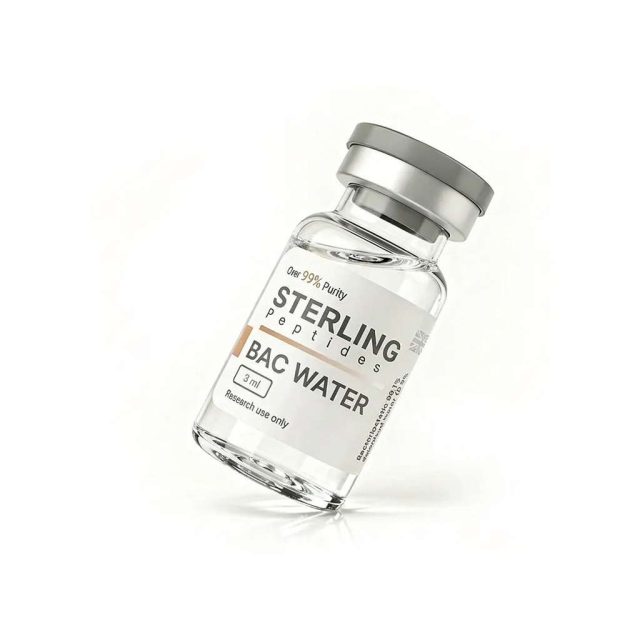 Laboratory reagent specification
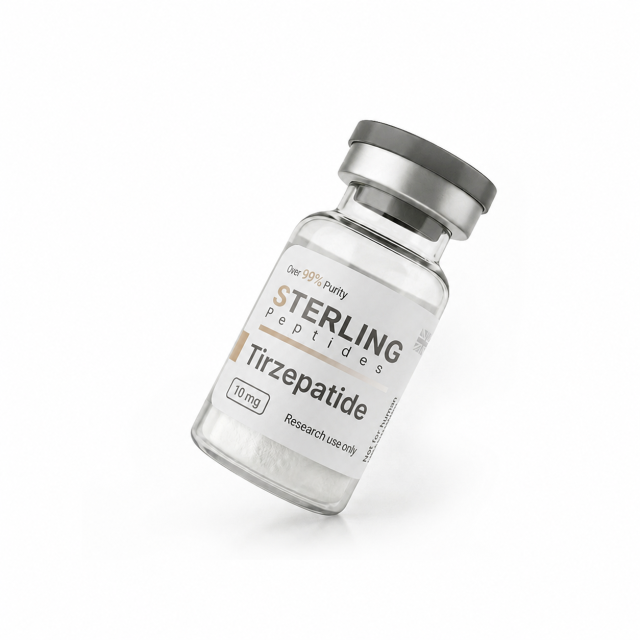 ≥99% (HPLC verified)
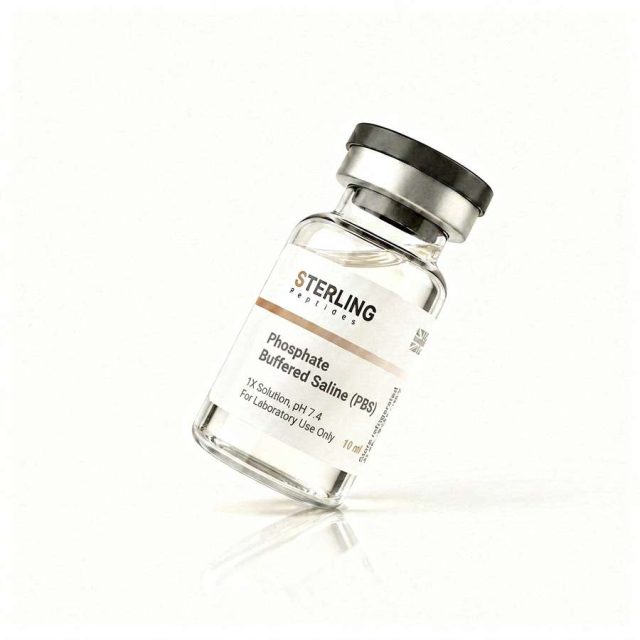 Laboratory reagent specification
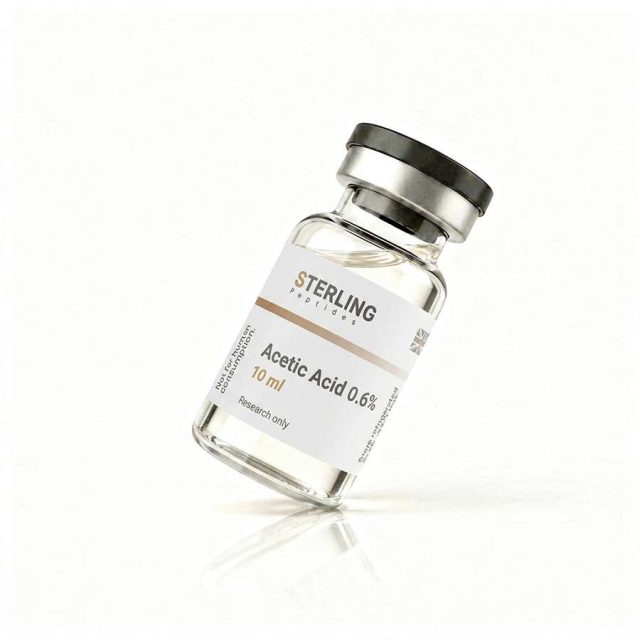 0.6% solution specification
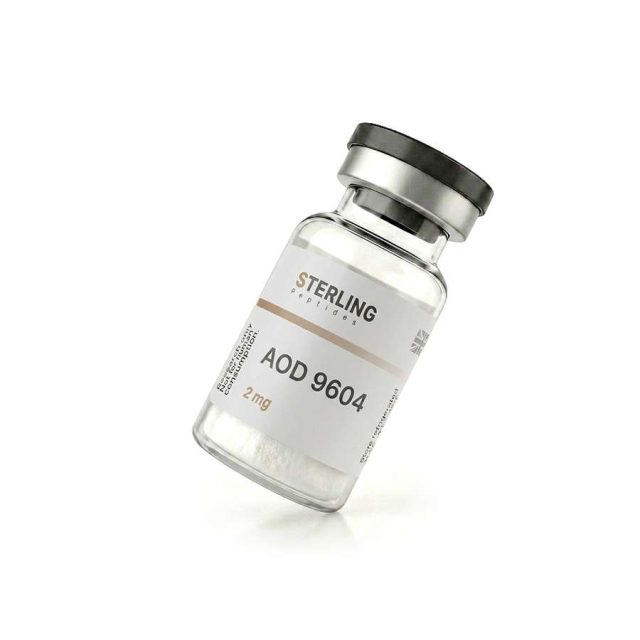 ≥99% (HPLC verified)
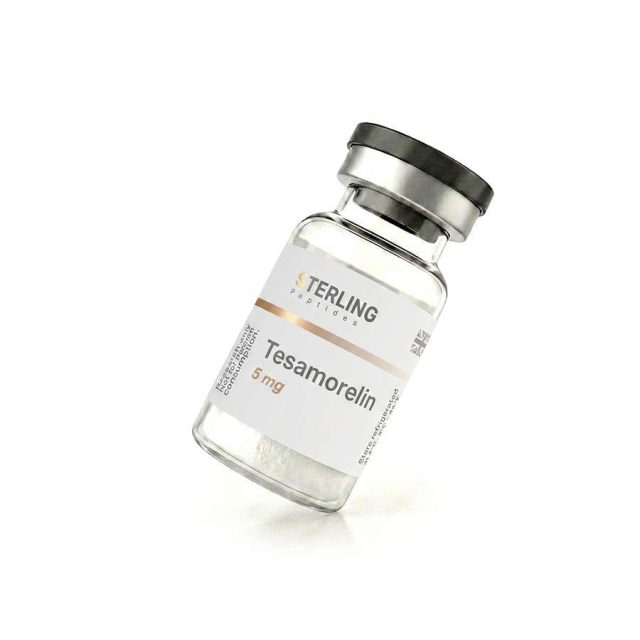 ≥99% (HPLC verified)
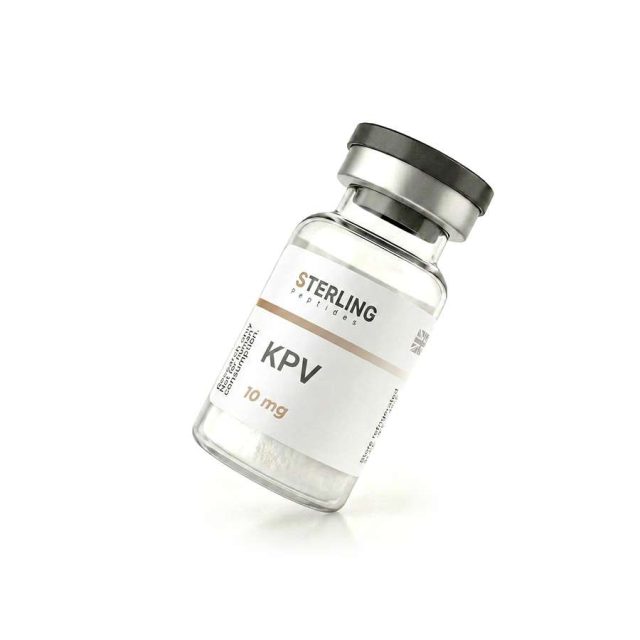 ≥99% (HPLC verified)
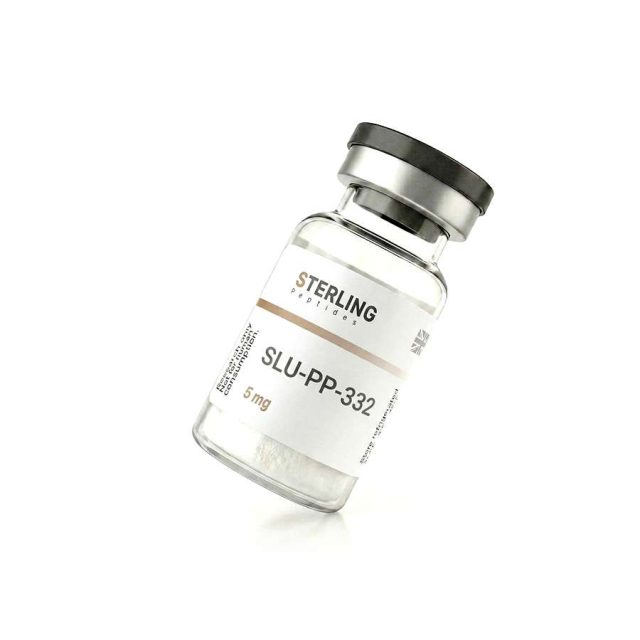 ≥99% (HPLC verified)
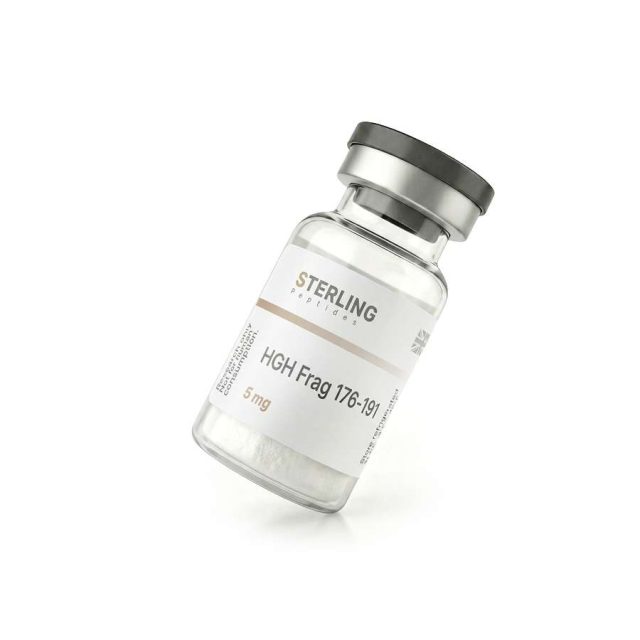 ≥99% (HPLC verified)
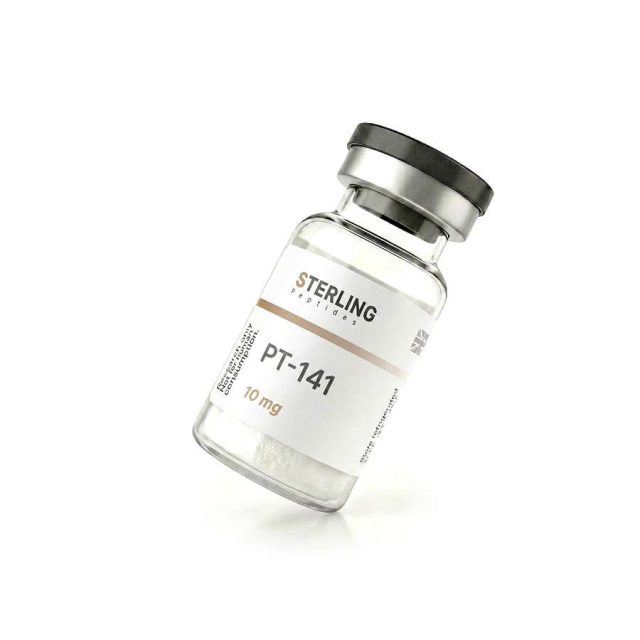 ≥99% (HPLC verified)
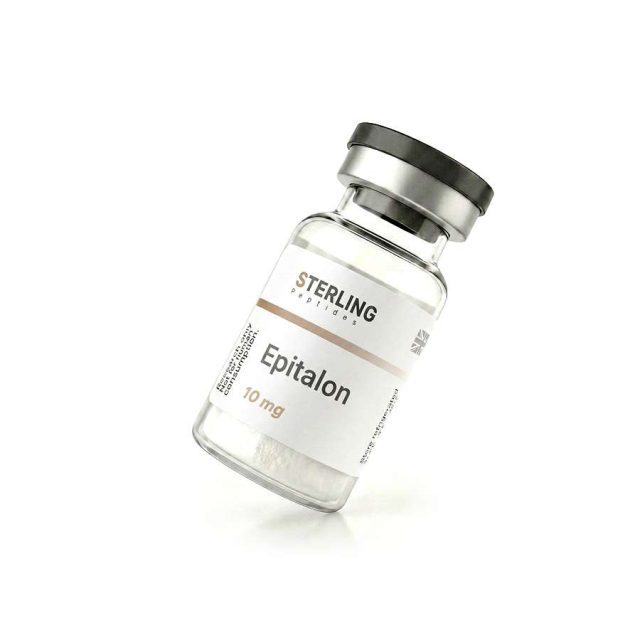 ≥99% (HPLC verified)
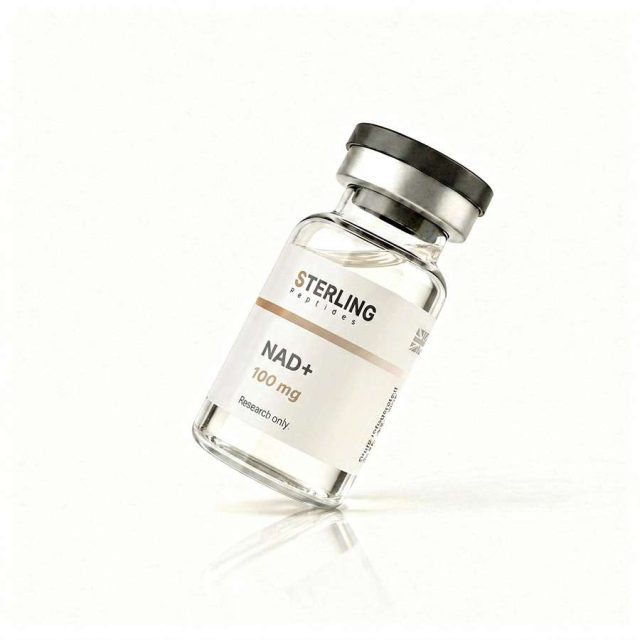 ≥99% (HPLC verified)
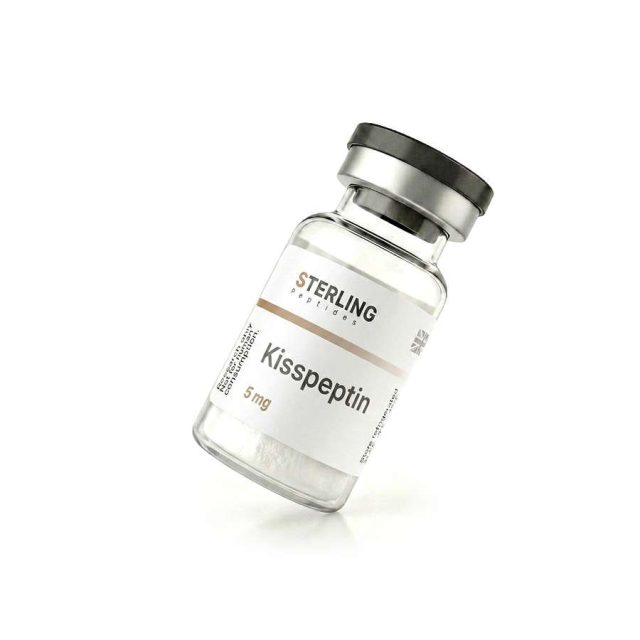 ≥99% (HPLC verified)
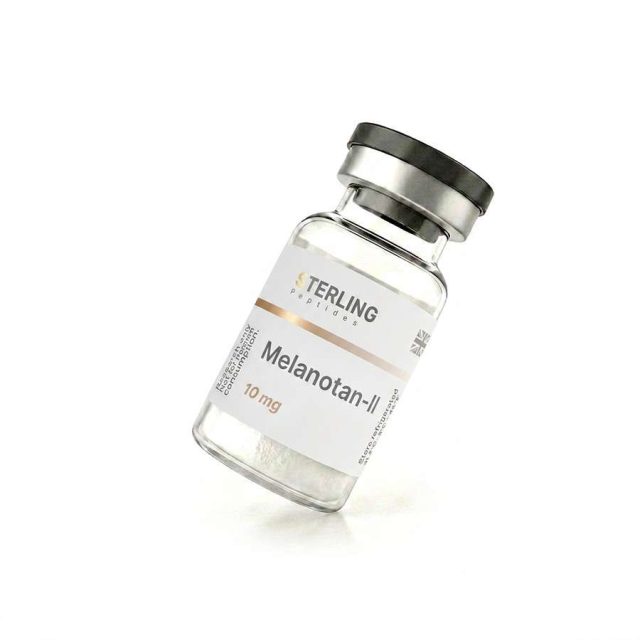 ≥99% (HPLC verified)
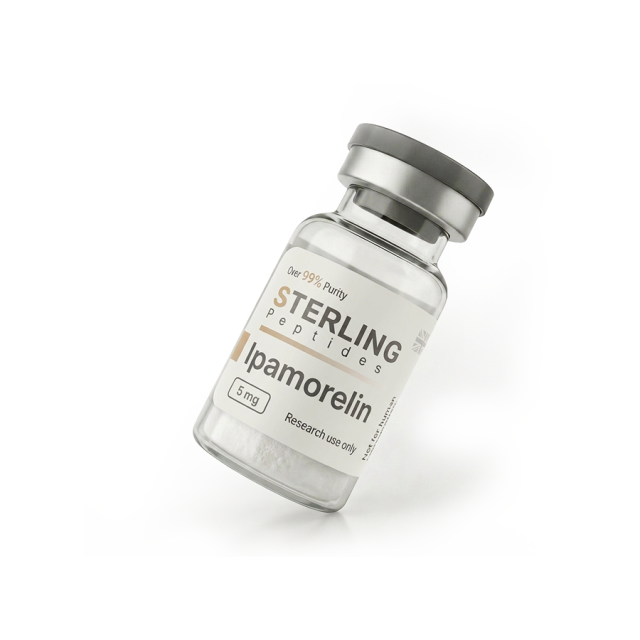 ≥99% (HPLC verified)
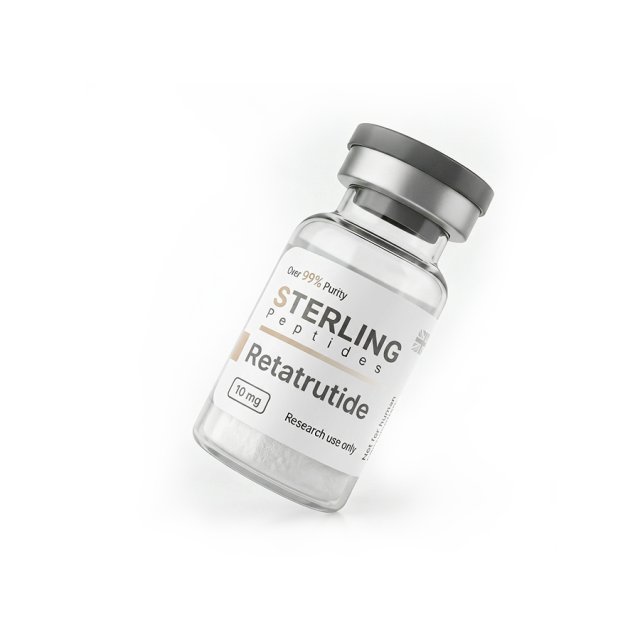 ≥99% (HPLC verified)